
 Thought Leadership
Nigeria's Primary Healthcare System: What Reform Must Look Like
Prof. Adenike Grange
Founder, AdeGrange Child Foundation
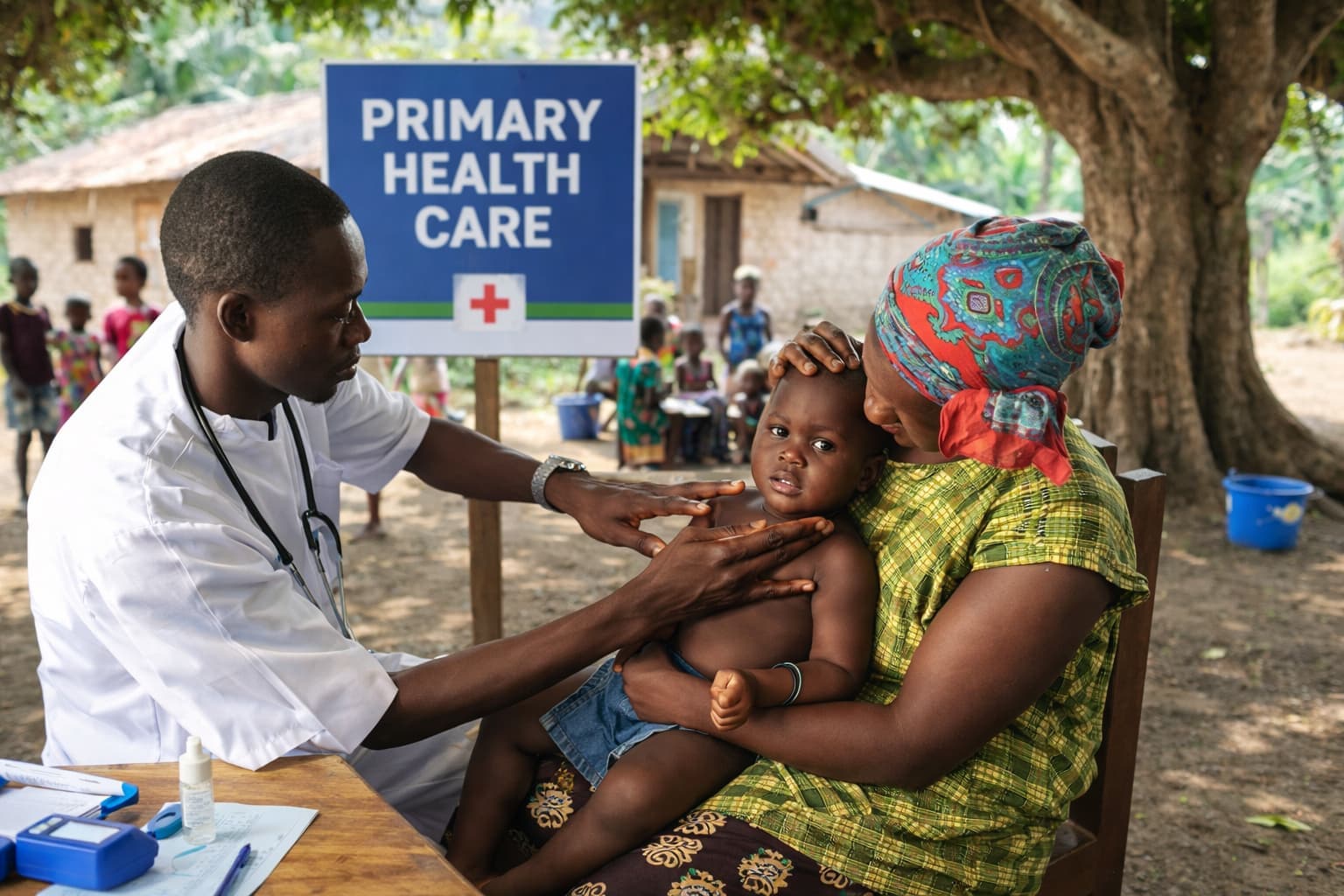
Nigeria's primary healthcare centres are the first line of defence for 200 million people — yet most are under-staffed, under-supplied, and under-trusted. Meaningful reform is not optional. It is the difference between life and death for millions of women and children.
In 1987, Nigeria launched the Primary Health Care Under One Roof policy — an ambitious framework designed to bring basic healthcare to every ward and village in the country. Thirty-seven years later, the aspiration has not been matched by the reality. An estimated 30,000 primary health centres (PHCs) exist on paper across Nigeria's 774 local government areas. In practice, surveys consistently find that fewer than one in five meets the minimum standards for staffing, essential medicines, and functional equipment.
For the women and children who depend on these facilities, the consequences are deadly.
What the Data Tells Us
A 2023 assessment by the National Primary Health Care Development Agency (NPHCDA) found that across many states:
- Fewer than 40% of PHCs had a functioning delivery room
- Only 26% had oxytocin — the essential drug for preventing and treating postpartum haemorrhage
- Health worker absenteeism rates exceeded 40% in multiple states
- Fewer than 35% had reliable electricity or a functioning solar backup system
These are not statistics about extreme poverty or conflict zones alone. They describe facilities in Ogun, Oyo, and Delta States — states with relatively developed economies and proximity to urban centres.
The Root Causes
Under-performance of PHCs in Nigeria has multiple, interlocking causes.
Governance fragmentation is a central problem. PHCs fall under local government authorities, state health ministries, and federal agencies — with funding and accountability responsibilities that often overlap and create gaps. When things go wrong, there is no single accountable party.
Chronic underfunding persists despite repeated commitments. Nigeria's health sector consistently receives well below the 15% of the national budget recommended by the Abuja Declaration — a commitment Nigeria itself signed in 2001. In years of fiscal pressure, health budgets are among the first to be cut.
The human resource crisis cannot be overstated. Nigeria produces thousands of doctors, nurses, and midwives every year — and loses a significant proportion of them to emigration within years of graduation. The United Kingdom now has more Nigerian-trained doctors working in its National Health Service than Nigeria has in some of its states.
Community trust has eroded in many places. Women who have had bad experiences at PHCs — rude staff, empty drug shelves, illegal fees for nominally free services — stop attending. And once trust is lost, it is hard to rebuild.
What Meaningful Reform Requires
Reform of Nigeria's PHC system is not a technical problem — it is a political one. The technical solutions are largely known. What is needed is sustained political will, consistent funding, and genuine accountability to the communities these facilities are supposed to serve.
Specifically, reform must address:
- Direct funding to facility level, bypassing the governance gaps that allow money to disappear between federal allocation and local delivery
- Performance-based contracts for health workers, with transparent accountability mechanisms
- Community health committees with real oversight powers over local facilities, not advisory roles that are easily ignored
- Emergency obstetric care as a non-negotiable standard for all facilities that offer delivery services
Civil society organisations, community advocates, and the women most affected by PHC failures must be at the centre of accountability efforts — not at the margins of policy consultations.
Nigeria cannot achieve its health development goals on the back of a broken primary healthcare system. The cost of inaction is already being paid, every day, by Nigerian women and children who deserve better.
Support Our Mission
AdeGrange Child Foundation works to protect the health and futures of mothers and children across Africa. Join us.