
 Health & Tips
Eating Well During Pregnancy in Nigeria: A Practical Guide for Mothers
AdeGrange Health Team
Community Health Specialists
Proper nutrition during pregnancy shapes a child's health for life. This guide covers the key foods available in Nigerian markets that support healthy pregnancy — and the common gaps that put mothers and babies at risk.
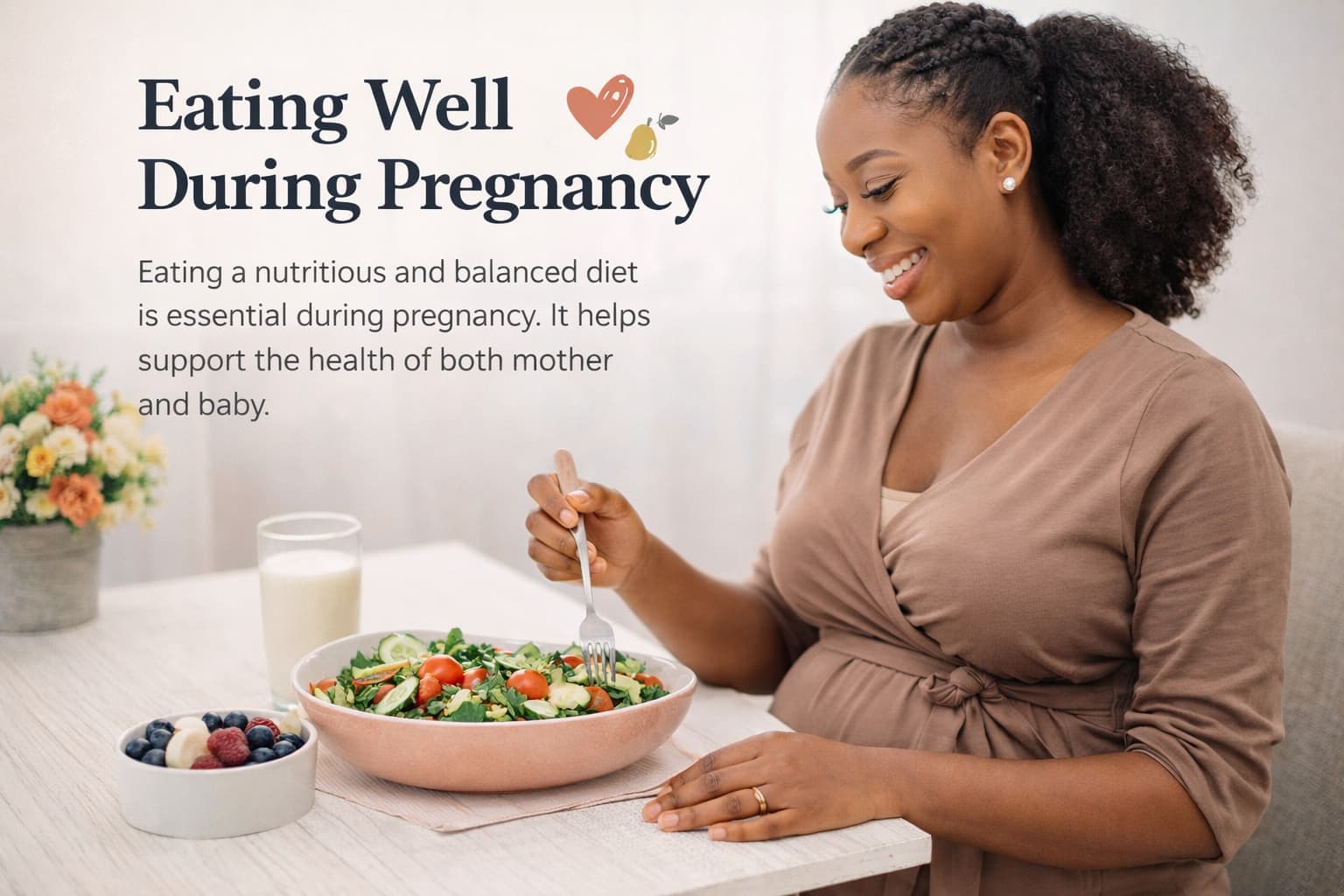
Good nutrition during pregnancy is one of the most powerful investments a family can make. What a mother eats during those nine months shapes the development of her baby's brain, immune system, and organs — setting a foundation that influences health outcomes for decades.
In Nigeria, nutritional deficiencies during pregnancy are common and frequently go unaddressed. Iron deficiency anaemia affects an estimated 56% of pregnant Nigerian women. Iodine deficiency remains a public health concern in many states. And while household food insecurity is a major driver of poor maternal nutrition, knowledge gaps play a role too — many women do not know which locally available foods meet their increased nutritional needs.
The Key Nutrients and Where to Find Them
Iron is critical during pregnancy to support the expanded blood volume that carries oxygen to the baby. Without enough iron, mothers become anaemic — exhausted, short of breath, and at much higher risk of haemorrhage during delivery. Iron-rich Nigerian foods include:
- Liver (beef or chicken) — one of the richest sources of iron available
- Dark leafy vegetables: ugwu (fluted pumpkin leaves), bitter leaf, waterleaf, and spinach
- Beans and cowpeas (black-eyed peas, ewa, or oloyin beans) — affordable and widely available
- Ofada rice and other local wholegrain cereals
Eating these foods with a source of vitamin C — such as tomatoes, garden eggs, or orange juice — dramatically improves iron absorption.
Folic acid is essential in the first 12 weeks of pregnancy to prevent neural tube defects like spina bifida. If possible, start taking a daily folic acid supplement before conception or as soon as pregnancy is confirmed. Foods rich in folate include peas, beans, liver, and dark leafy greens.
Calcium supports the development of the baby's bones and teeth, and protects the mother's own bone density. Good sources include:
- Fish eaten with bones — like sardines or dried crayfish
- Milk and yoghurt where accessible
- Dark leafy vegetables
Protein is needed for the baby's growth and the repair of maternal tissues. In Nigerian diets, protein commonly comes from beans, eggs, fish (both fresh and dried), meat, and groundnuts. Aim to include a protein source at every meal.
Foods to Be Cautious With
While Nigerian cuisine is nutritious, a few precautions are worth noting during pregnancy:
- Raw or undercooked meat and fish carry risks of listeria and toxoplasmosis — ensure all meat is thoroughly cooked
- Excess salt in highly processed or smoked foods can worsen pregnancy-related hypertension
- Herbal preparations widely sold in markets should be approached with caution — some have not been tested for safety in pregnancy and a few are known to stimulate contractions
The Antenatal Visit: Your Most Important Resource
Every antenatal visit is an opportunity to have your nutrition and weight gain assessed. Iron and folic acid supplements are provided free at government antenatal clinics. Ask your midwife or doctor about your diet — and if you are struggling with food security, ask about community support programmes in your area.
You cannot pour from an empty cup. Nourishing yourself during pregnancy is not indulgent — it is essential.
Support Our Mission
AdeGrange Child Foundation works to protect the health and futures of mothers and children across Africa. Join us.